

What is the chemical resistance of a square concrete umbrella base?
Oct 30, 2025
As a supplier of square concrete umbrella bases, I often get asked about the chemical resistance of these products. Chemical resistance is a crucial factor, especially when these bases are used in various outdoor environments where they may come into contact with different substances. In this blog, I'll delve into the chemical resistance of square concrete umbrella bases, exploring what it means, what chemicals they can withstand, and how this impacts their long - term use.
Understanding Chemical Resistance
Chemical resistance refers to the ability of a material to resist degradation when exposed to various chemicals. For square concrete umbrella bases, this is essential because they are typically placed outdoors. They can be exposed to rain, which may contain acidic or alkaline substances depending on the local environment. Additionally, they might come into contact with cleaning agents, fertilizers, and even spilled beverages.
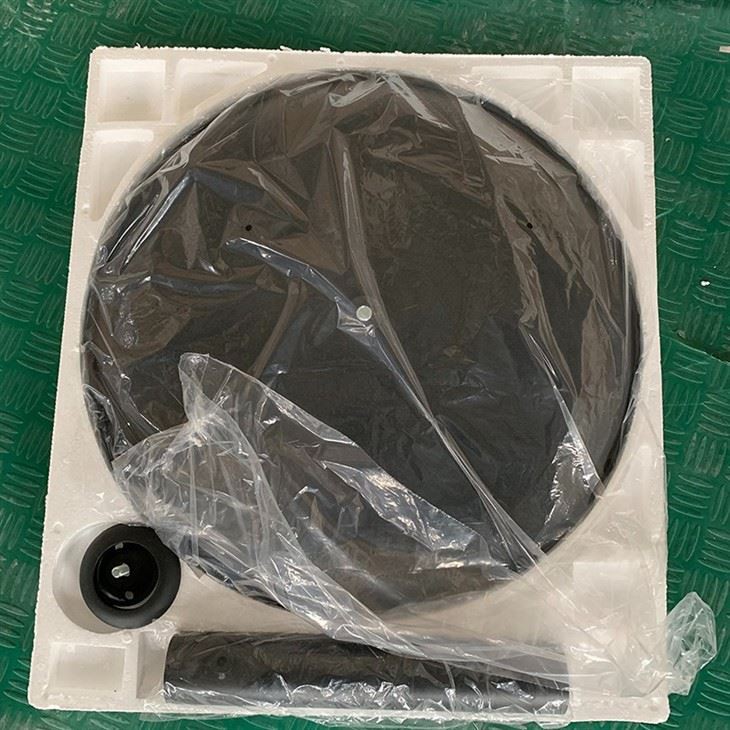
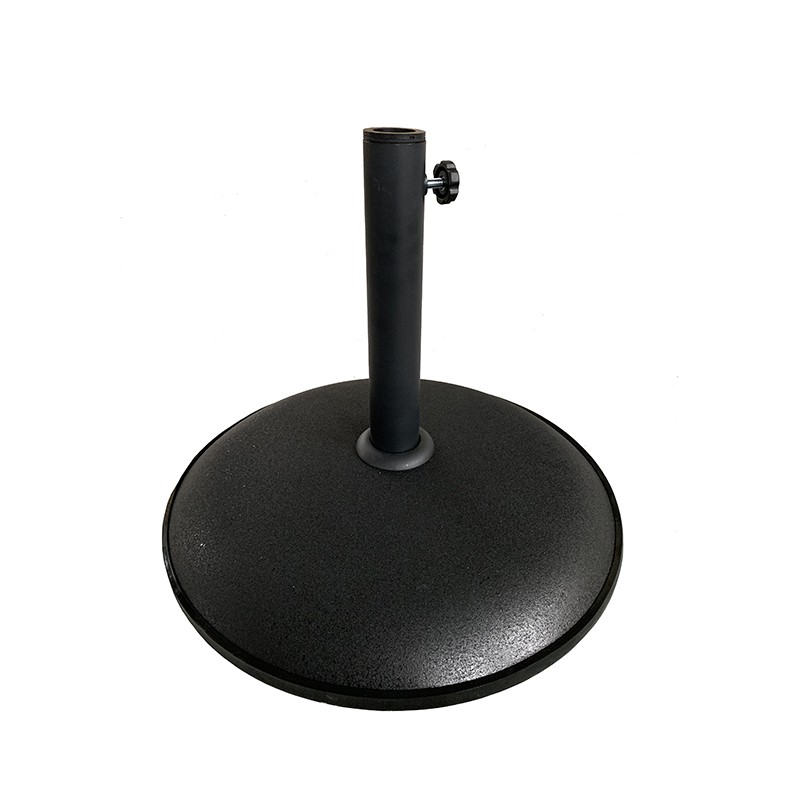
Concrete, the main material of these umbrella bases, is a composite material made up of cement, aggregates (such as sand and gravel), and water. The chemical composition of concrete gives it certain inherent properties that contribute to its chemical resistance. Cement, for example, forms a hard matrix that can protect the internal structure of the concrete from chemical attack to some extent.
Resistance to Common Outdoor Chemicals
1. Water and Rain
Water is the most common substance that square concrete umbrella bases encounter. Generally, concrete is relatively resistant to water. The hydration process of cement in concrete forms a dense structure that can prevent water from easily penetrating. However, if the water is highly acidic or alkaline, it can pose a threat.
Acidic rain, which has a lower pH value due to pollutants such as sulfur dioxide and nitrogen oxides in the atmosphere, can react with the calcium hydroxide in concrete. Over time, this reaction can lead to the dissolution of the cement matrix, weakening the structure of the umbrella base. On the other hand, alkaline water, although less common, can also cause problems if the alkalinity is extremely high. It may disrupt the balance of the concrete's internal chemical composition.
2. Cleaning Agents
When it comes to cleaning square concrete umbrella bases, mild cleaning agents are usually safe. For instance, a solution of mild soap and water can be used to remove dirt and stains without causing significant damage to the concrete. However, harsh cleaning agents such as strong acids or alkalis should be avoided.
Strong acids, like hydrochloric acid or sulfuric acid, can react vigorously with the components of concrete. They can dissolve the calcium carbonate and other minerals in the concrete, leading to surface erosion and a reduction in the base's strength. Strong alkalis, such as sodium hydroxide, can also cause problems by attacking the silicate components in the concrete, potentially leading to cracking and spalling.
3. Fertilizers
In outdoor settings, fertilizers are commonly used in gardens. Some fertilizers contain chemicals such as ammonium nitrate, potassium chloride, and phosphates. These substances can have different effects on square concrete umbrella bases.
Ammonium nitrate, for example, can be slightly acidic in solution. Prolonged exposure to high - concentration ammonium nitrate solutions can gradually corrode the concrete surface. Potassium chloride, on the other hand, may not have as strong an effect on concrete in normal concentrations. However, if there is a large amount of potassium chloride residue on the base for an extended period, it could potentially affect the concrete's durability.
Factors Affecting Chemical Resistance
1. Concrete Mix Design
The mix design of concrete plays a significant role in its chemical resistance. A well - designed concrete mix with the right proportion of cement, aggregates, and water can have better chemical resistance. For example, using a higher - quality cement with a lower permeability can enhance the base's ability to resist chemical attack. Additionally, the type and size of aggregates can also affect the concrete's structure and its resistance to chemicals.
2. Curing Conditions
Proper curing is essential for the development of concrete's chemical resistance. During the curing process, the concrete gains strength and density. If the curing conditions are not optimal, such as insufficient moisture or improper temperature, the concrete may have a more porous structure. This porosity allows chemicals to penetrate more easily, reducing the base's chemical resistance.
3. Surface Treatment
Applying a surface treatment to square concrete umbrella bases can significantly improve their chemical resistance. There are various types of surface treatments available, such as sealants and coatings. Sealants can fill the pores on the concrete surface, preventing chemicals from entering. Coatings, on the other hand, can provide an additional protective layer that resists chemical attack.
Importance of Chemical Resistance for Square Concrete Umbrella Bases
1. Durability
A high level of chemical resistance ensures the long - term durability of square concrete umbrella bases. When the base can resist the effects of various chemicals, it is less likely to suffer from structural damage, such as cracking, spalling, or weakening. This means that the umbrella base can maintain its stability and functionality over a longer period, providing reliable support for umbrellas.
2. Aesthetics
Chemical resistance also affects the aesthetics of square concrete umbrella bases. If the base is exposed to chemicals that cause surface corrosion or staining, it can become unsightly. By having good chemical resistance, the base can retain its original appearance, enhancing the overall visual appeal of the outdoor space where it is placed.
Comparison with Round Concrete Umbrella Bases
Round Concrete Umbrella Base and square concrete umbrella bases have similar chemical resistance characteristics. Both are made of concrete, so they share the same basic chemical properties. However, the shape may have a minor impact on chemical exposure.
Square bases may have more corners and edges, which could potentially be more vulnerable to chemical attack in some cases. For example, if there is a spill of a chemical substance, it may accumulate in the corners of a square base more easily than in a round base. On the other hand, the flat sides of a square base may make it easier to apply surface treatments uniformly.
Conclusion
In conclusion, the chemical resistance of Square Concrete Umbrella Base is an important aspect to consider. While concrete has some inherent chemical resistance, factors such as the type of chemicals it encounters, the mix design, curing conditions, and surface treatment can all affect its performance.
As a supplier, we ensure that our square concrete umbrella bases are designed and manufactured with high - quality materials and proper processes to maximize their chemical resistance. If you are in the market for reliable and long - lasting umbrella bases, we invite you to contact us for procurement and further discussions. We are committed to providing you with the best products that meet your specific needs.
References
- Neville, A. M. (1995). Properties of Concrete. Pearson Education.
- Mehta, P. K., & Monteiro, P. J. M. (2014). Concrete: Microstructure, Properties, and Materials. McGraw - Hill Education.