

What are the fire - resistance properties of an umbrella cover?
May 14, 2025
Fire resistance is a critical consideration in the design and manufacturing of various products, including umbrella covers. As a supplier of umbrella covers, understanding and communicating the fire - resistance properties of our products is of utmost importance. In this blog, we will delve into the fire - resistance characteristics of umbrella covers, exploring the materials used, testing methods, and industry standards.
Materials and Their Fire - Resistance Properties
Umbrella covers are made from a variety of materials, each with its own unique fire - resistance capabilities. One of the commonly used materials is Oxford fabric, which is known for its durability and water - resistance. Our Oxford Waterproof Umbrella Cover is a prime example of a high - quality product that combines practicality with certain fire - resistance features.
Oxford fabric is typically made from polyester or a blend of polyester and cotton. Polyester, on its own, has some inherent fire - retardant properties. It has a relatively high melting point, which means that it will start to melt before it catches fire. When exposed to flames, polyester fibers will shrink away from the heat source, reducing the likelihood of rapid spread of fire. However, pure polyester can still burn under certain conditions, and the melted polyester can drip, which may pose a risk of spreading the fire to other areas.
To enhance the fire - resistance of Oxford fabric, it can be treated with fire - retardant chemicals. These chemicals work by either releasing non - flammable gases when heated, which dilute the oxygen around the fabric and suppress the combustion process, or by forming a char layer on the surface of the fabric. The char layer acts as a barrier, preventing the heat from reaching the underlying fibers and reducing the rate of burning.
Another material used for umbrella covers is nylon. Nylon also has a relatively high melting point, but it burns more easily than polyester. Similar to polyester, nylon can be treated with fire - retardant agents to improve its fire - resistance. Treated nylon umbrella covers can withstand exposure to flames for a longer period without igniting or spreading the fire.
Testing Methods for Fire Resistance
To ensure that our umbrella covers meet the required fire - resistance standards, we subject them to rigorous testing. One of the most common testing methods is the vertical flammability test. In this test, a sample of the umbrella cover material is held vertically and exposed to a small flame for a specified period. The time it takes for the flame to spread, the length of the charred area, and whether the material drips molten droplets are all measured and recorded.
Another important test is the ignition resistance test. This test measures the minimum amount of energy required to ignite the material. A high ignition resistance indicates that the material is less likely to catch fire when exposed to a heat source.
We also conduct tests to evaluate the self - extinguishing properties of the umbrella cover materials. A self - extinguishing material will stop burning on its own once the ignition source is removed. This is a crucial safety feature, as it reduces the risk of a small fire turning into a large, uncontrollable blaze.
Industry Standards for Fire Resistance
There are several industry standards that govern the fire - resistance requirements for textile products, including umbrella covers. In the United States, the Consumer Product Safety Commission (CPSC) has established flammability standards for various consumer products. For example, the 16 CFR Part 1610 standard sets the requirements for the flammability of clothing textiles. Although umbrella covers are not specifically addressed in this standard, many of the principles can be applied.
In Europe, the EN 1103 standard is relevant for rainwear, which includes umbrella covers. This standard specifies the requirements for the fire - resistance of rain - protection clothing materials. It classifies materials into different fire - resistance classes based on their performance in flammability tests.
Compliance with these standards is not only a legal requirement but also a way to ensure the safety of our customers. By meeting or exceeding these standards, we can provide our customers with high - quality umbrella covers that are safe to use in various environments.

Applications and Benefits of Fire - Resistant Umbrella Covers
Fire - resistant umbrella covers have a wide range of applications. They are particularly useful in industrial settings, where there may be a risk of exposure to open flames, sparks, or high - temperature sources. For example, workers in factories, refineries, or construction sites may need umbrella covers that can withstand accidental contact with fire or heat.
In addition, fire - resistant umbrella covers can be used in public places such as stadiums, theaters, and convention centers. These venues often have strict fire - safety regulations, and using fire - resistant umbrella covers can help to meet these requirements and reduce the risk of fire hazards.
The benefits of using fire - resistant umbrella covers are obvious. Firstly, they provide an extra layer of safety for users. In the event of a fire, a fire - resistant umbrella cover can prevent the spread of flames and give people more time to evacuate safely. Secondly, they can help to protect the umbrella itself from damage caused by fire. This means that the umbrella can be used for a longer period, reducing the need for frequent replacements.
Our Commitment as a Supplier
As a supplier of umbrella covers, we are committed to providing our customers with products that have excellent fire - resistance properties. We use high - quality materials and advanced manufacturing processes to ensure that our umbrella covers meet the highest safety standards.
We also invest in research and development to continuously improve the fire - resistance performance of our products. Our team of experts is constantly exploring new materials and fire - retardant treatments to develop umbrella covers that are not only fire - resistant but also have other desirable features such as water - resistance, durability, and aesthetic appeal.
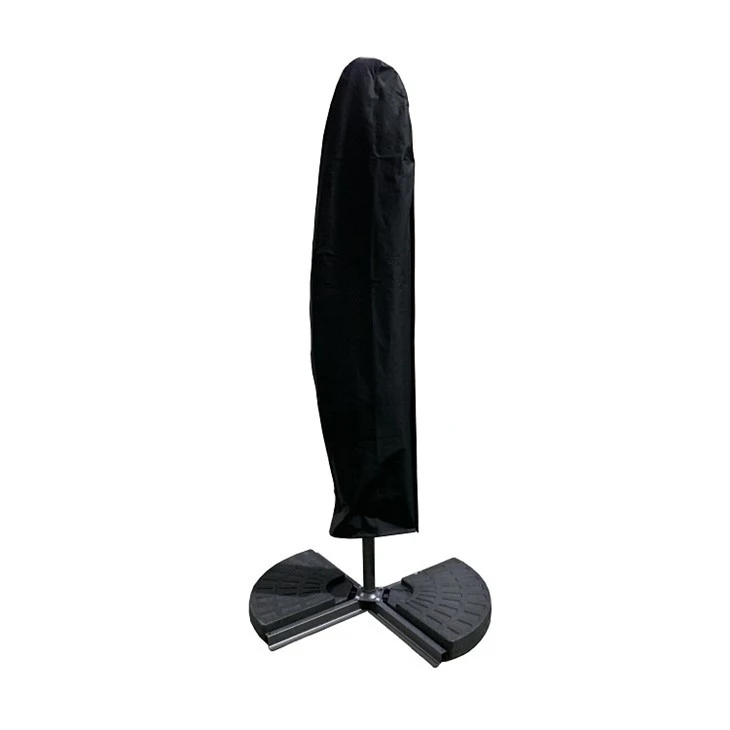
In addition to providing high - quality products, we also offer excellent customer service. We are always ready to answer any questions our customers may have about the fire - resistance properties of our umbrella covers and to provide them with the necessary technical support.
Contact Us for Procurement
If you are interested in purchasing our fire - resistant umbrella covers, we would be delighted to hear from you. Whether you are a large - scale distributor, a retailer, or an individual customer, we can offer you competitive prices and customized solutions to meet your specific needs.
We understand that every customer has unique requirements, and we are committed to working closely with you to ensure that you get the best possible product. Our team of sales representatives is standing by to assist you with your procurement process. Please feel free to contact us to discuss your needs and start a business partnership.
References
- Consumer Product Safety Commission (CPSC). 16 CFR Part 1610 - Standard for the Flammability of Clothing Textiles.
- European Committee for Standardization. EN 1103 - Rainwear - Fire performance of rain - protection clothing materials.
- Textile Institute. Handbook of Fire Resistant Textiles.